
Small-Space Solutions
Five Small-Space Moves That Make a Studio Feel Like a One-Bedroom
Tested in a 480-square-foot flat in Québec City's Saint-Roch neighbourhood — optical, organizational, and colour strategies that redefine how a compact apartment reads.
The Studio Problem Is Almost Always a Zoning Problem
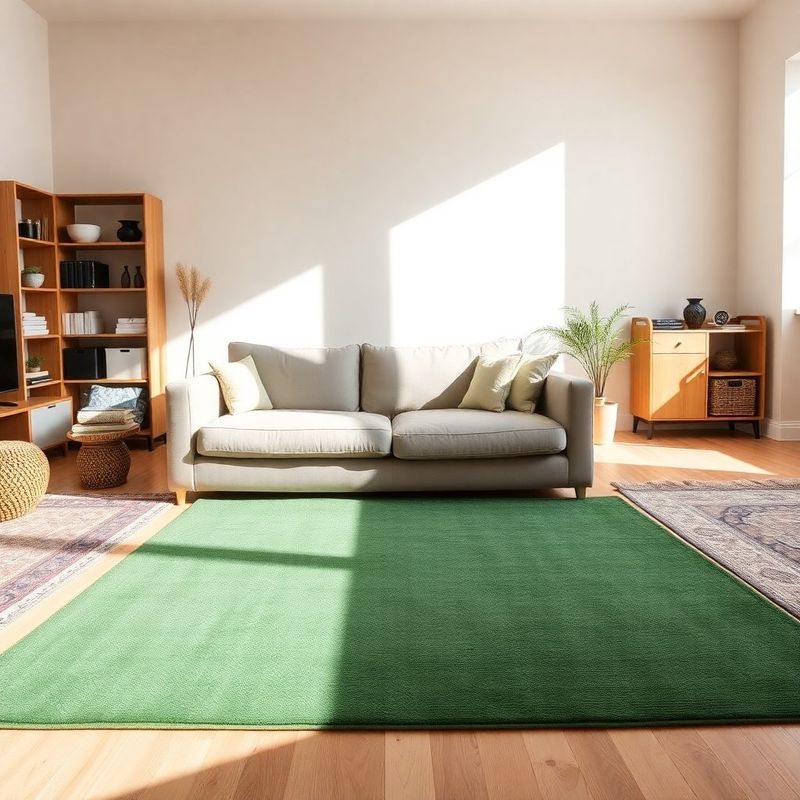
A studio apartment does not feel small because it lacks square footage — it feels small because it lacks definition. When a single room contains the sleeping area, the living area, the dining area, and often the work area, the brain cannot rest in any of them because it cannot distinguish between them. The five moves described in this article are all about creating perceived zones without building walls. Move one: anchor each zone with a distinct rug. In a 480-square-foot flat in Saint-Roch, a jute rug under the dining table and a low-pile wool rug in a deep emerald-fresh tone under the sofa created two rooms that the eye understood independently, even though they were separated by nothing structural. Move two: use the height of the room, not just its floor plan. Shelving that runs to the ceiling draws the eye upward and makes the floor plan feel larger by contrast. Move three: keep one wall completely free of furniture and objects. A bare wall — even in a small space — functions as a visual rest point, a place the eye can exhale. Move four: assign exactly one surface per zone for objects in active use, and give every other surface a fixed, uncluttered state. The discipline is harder than it sounds, but the result is a flat that resets visually every morning without a full tidy. Move five: treat lighting as zoning. A pendant over the dining table, a floor lamp beside the sofa, and a bedside lamp near the sleeping area each activate their zone independently — so the apartment can function as three different rooms depending on which lights are on.