
Feng Shui
The Feng Shui Entry Rule That Changes How Your Whole Home Feels
Three placement adjustments at your front door — no structural work, no specialist required — that shift the atmosphere of every room beyond it.
Why the Entry Is the Most Consequential Room You Probably Ignore
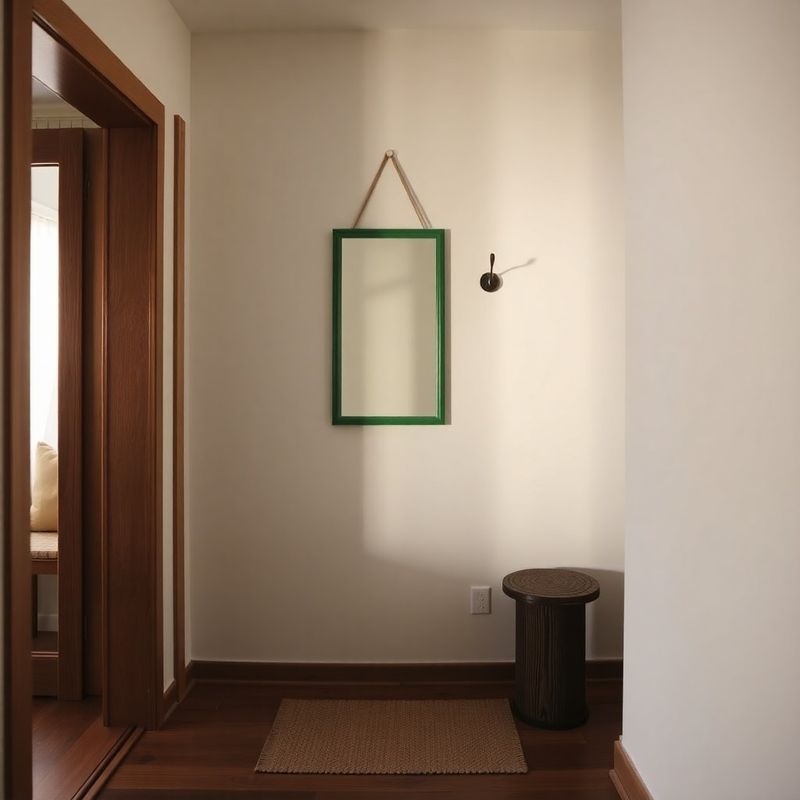
In feng shui, the entry of a home is described as its mouth — the point through which energy, air, light, and mood arrive before dispersing into every other room. Most Canadian apartments and houses treat the entry as a dumping ground: boots, coats, bags, flyers from the recycling bin. The result is that every time a resident returns home, the first thing they register — even subconsciously — is disorder. That signal sets the tone for the evening. The fix does not require demolishing a closet. It requires three deliberate changes to what is placed at, near, and opposite the door. First, clear the line of sight from the door to the farthest visible point. Even two metres of unobstructed floor changes how a space reads on entry. Second, introduce a single grounding element at eye level — a small mirror with an emerald-fresh frame, a piece of art, a pendant light — that gives the eye somewhere intentional to land. Third, assign a fixed, closed container for every category of object that currently piles near the door: one basket for shoes, one hook per person for bags, one shelf for keys and mail. Closed containers keep the visual field calm even when the contents are in motion. These three adjustments take one afternoon. Residents who have made them consistently report that the shift in how they feel upon returning home is immediate and durable — not because anything dramatic changed, but because the space stopped working against them the moment they crossed the threshold.
Adapting the Entry Rule for Narrow Canadian Hallways
Many Québec apartments — particularly those built before 1980 — have hallways under ninety centimetres wide, which makes the standard feng shui entry guidance feel impractical. A console table is not an option. A bench may block the path. The mirror advice, however, scales down cleanly: a vertically oriented mirror no wider than thirty centimetres, placed at the end of the hallway or at the first turn, lengthens the visual corridor without consuming floor space. For the grounding element, a single wall-mounted light fitting with a warm bulb does more work in a narrow entry than any piece of furniture. Hooks recessed into a narrow panel — rather than protruding from a freestanding rack — keep the walls as the width reference rather than shrinking it further. The principle remains the same regardless of square footage: make the entry a room that the eye resolves instantly, with no unfinished visual questions, and the feeling of arrival changes in proportion.